

Building muscle naturally doesn’t require expensive supplements, extreme workout plans, or spending hours in the gym every day. What it does require is consistency, smart training, balanced nutrition, and patience. Many beginners give up because they expect dramatic changes within a few weeks, but muscle growth is a gradual process.
If you’re wondering how to build muscle naturally, the good news is that anyone can make steady progress with the right approach. Whether you’re training at home or in a gym, understanding the basics will help you gain strength, improve your physique, and avoid the common mistakes that slow progress.
Quick Answer
To build muscle naturally, focus on progressive strength training, eat enough protein and calories to support growth, sleep 7 to 9 hours each night, and stay consistent for months, not weeks. There are no shortcuts, but these habits create lasting results.
What Building Muscle Naturally Really Means
Building muscle naturally means increasing muscle size and strength through resistance training, proper nutrition, and recovery without relying on performance-enhancing drugs.
When you lift weights or perform challenging bodyweight exercises, tiny amounts of stress are placed on your muscles. During recovery, your body repairs those muscle fibers and makes them slightly stronger and larger so they can handle similar challenges in the future.
This process takes time.
One thing most people underestimate is that your workouts create the stimulus for muscle growth, but your nutrition and recovery determine how well your body responds.
How Muscle Growth Works
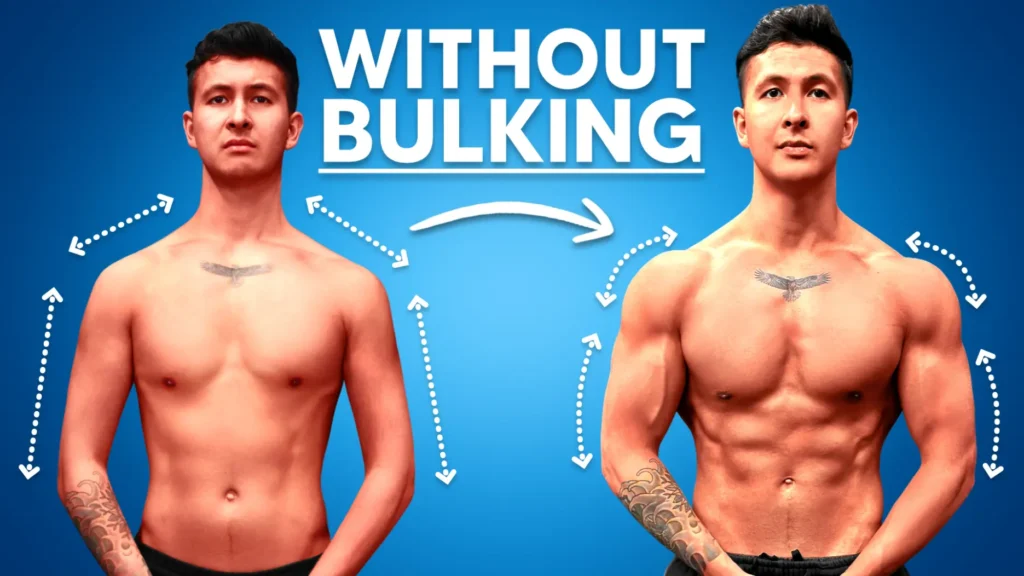
Muscle growth, also called muscle hypertrophy, happens when your muscles are challenged consistently and given enough time and nutrients to recover.
Three factors play the biggest role:
- Progressive overload
- Proper nutrition
- Recovery
Progressive Overload
Progressive overload simply means gradually making your workouts more challenging.
You can do this by:
- Increasing the weight
- Performing more repetitions
- Adding an extra set
- Improving exercise technique
- Reducing rest time slightly when appropriate
Small improvements each week often produce better long-term results than making large jumps.
Practical Guide to Build Muscle Naturally
1. Prioritize Compound Exercises
Compound exercises work several muscle groups at the same time, making them efficient for beginners.
Some of the best options include:
- Squats
- Deadlifts
- Bench press
- Push-ups
- Pull-ups or assisted pull-ups
- Overhead press
- Rows
- Lunges
If you train at home, bodyweight exercises and resistance bands can also build muscle, especially when you’re just starting.
Also Read Best Fat-Burning Exercises You Can Do at Home
2. Train Each Muscle Group Consistently
Most beginners benefit from training each major muscle group two times per week.
A simple schedule could look like this:
- Monday: Full body
- Wednesday: Full body
- Friday: Full body
This allows enough training volume while giving your muscles time to recover.
3. Eat Enough Protein
Protein provides the building blocks your muscles need to recover and grow.
Good protein sources include:
- Chicken
- Fish
- Eggs
- Milk
- Greek yogurt
- Cottage cheese
- Lentils
- Beans
- Tofu
- Soy products
Many active adults aiming to build muscle benefit from consuming around 1.2 to 2.0 grams of protein per kilogram of body weight per day, depending on their training volume and overall diet.
Spread protein across your meals instead of eating most of it at once.
4. Don’t Fear Healthy Calories
Muscle growth requires energy.
If you’re naturally thin or struggle to gain weight, eating too little may prevent muscle growth even if your workouts are excellent.
Choose mostly nutrient-dense foods like:
- Rice
- Oats
- Potatoes
- Whole grains
- Nuts
- Seeds
- Fruits
- Vegetables
- Healthy fats
A small calorie surplus is often enough for gradual muscle gain.
5. Sleep Enough
Many beginners focus entirely on workouts while ignoring recovery.
Most muscle repair occurs during sleep.
Aim for 7 to 9 hours each night whenever possible.
If you’ve been training consistently for several weeks but still aren’t getting stronger, poor sleep could be one reason.
6. Track Your Progress
Don’t rely only on the mirror.
Monitor:
- Strength gains
- Body weight
- Progress photos
- Body measurements
- Workout performance
Muscle growth often happens slowly, making regular tracking useful for staying motivated.
Common Mistakes That Slow Muscle Growth
Training Without a Plan
Random workouts produce random results.
Follow a structured program and stick with it for at least six to eight weeks before making major changes.
Lifting Too Heavy Too Soon
A common mistake beginners make is choosing weights they can’t control.
Proper form always comes before heavier weights.
Good technique helps activate the target muscles while reducing injury risk.
Skipping Meals
Muscles need nutrients to recover.
Frequently missing meals or eating too little can make building muscle much harder.
Doing Too Much Cardio
Cardio supports heart health and overall fitness, but excessive endurance training without enough calories may slow muscle gain for some people.
Balance is important.
Comparing Yourself With Others
Everyone builds muscle at a different pace.
Genetics, age, hormones, nutrition, sleep, stress, and training history all influence results.
Focus on improving your own performance rather than comparing yourself with someone who has years of training experience.
Simple Muscle-Building Checklist
Keep these habits consistent:
- Train three to four times each week.
- Focus on compound exercises.
- Eat enough protein every day.
- Stay in a small calorie surplus if muscle gain is your main goal.
- Sleep 7 to 9 hours.
- Increase weights or repetitions gradually.
- Stay hydrated.
- Be patient.
These habits aren’t complicated, but they consistently produce better results than chasing the latest fitness trend.
Who This Guide Is Best For
This approach works well for:
- Beginners
- Skinny individuals trying to gain muscle
- Men and women
- Students
- Busy professionals
- People training at home or in a gym
If you have a medical condition, recent surgery, chronic joint pain, or another health concern, consult your doctor or a qualified physiotherapist before starting a resistance training program.
Stop exercising if you experience chest pain, severe dizziness, or sharp joint pain.
Realistic Expectations
Building muscle naturally takes time.
Many beginners notice strength improvements within the first month, while visible muscle growth often takes two to three months of consistent training and nutrition.
Results vary depending on:
- Genetics
- Age
- Starting body composition
- Training quality
- Protein intake
- Sleep
- Recovery
- Overall consistency
This sounds slow, but steady progress is much easier to maintain than trying to rush the process.
Frequently Asked Questions
Can I build muscle without going to the gym?
Yes. Bodyweight exercises, resistance bands, and adjustable dumbbells can all build muscle when combined with progressive overload and proper nutrition.
How many days a week should I train?
Three to four resistance training sessions per week are enough for most beginners.
How long does it take to build noticeable muscle?
Most beginners notice strength gains first. Visible muscle growth usually becomes more noticeable after several months of consistent training, nutrition, and recovery.
Should I work out every day?
Not necessarily. Your muscles grow during recovery, so rest days are an important part of any muscle-building program.
Final Thoughts
Learning how to build muscle naturally is less about finding the perfect workout and more about mastering the basics. Train consistently, challenge your muscles gradually, eat enough nutritious food, prioritize protein, and give your body time to recover.
Progress won’t happen overnight, but if you stay committed to these habits, you’ll build strength, increase muscle, and create results that last. The most successful lifters aren’t the ones who train the hardest for a week. They’re the ones who keep showing up month after month.
