
If your goal is to build muscle efficiently, you don’t need dozens of different exercises. In fact, some of the best muscle-building movements have been around for decades because they simply work. These are known as compound exercises, and they should form the foundation of almost every strength training program.
The best compound exercises for maximum muscle growth train multiple muscle groups at the same time, allowing you to lift heavier weights, build more strength, and make better use of your workout time. Whether you’re training at home or in the gym, mastering these movements will help you build muscle more effectively than relying only on isolation exercises.
Quick Answer
Compound exercises are movements that train two or more joints and multiple muscle groups in one exercise. Squats, deadlifts, bench presses, rows, overhead presses, pull-ups, and lunges are among the best compound exercises for building muscle because they stimulate more muscle fibers and allow progressive overload.
What Are Compound Exercises and Why Do They Matter?
A compound exercise is any movement that involves several joints working together.
For example, a squat doesn’t only train your legs. It also challenges your glutes, core, hips, and lower back.
Because more muscles are involved, compound exercises generally allow you to move more weight compared to isolation exercises like bicep curls or leg extensions.
This creates a stronger training stimulus for muscle growth while improving coordination, balance, and functional strength.
One thing most people underestimate is how much time compound exercises save. Instead of training one muscle at a time, you’re strengthening several areas with each repetition.
How Compound Exercises Build Muscle
Muscle growth happens when your muscles are challenged beyond what they’re used to and then given enough time and nutrients to recover.
Compound exercises support this process by:
- Activating multiple muscle groups at once
- Allowing heavier resistance
- Improving overall strength
- Increasing total training volume
- Making progressive overload easier
Progressive overload simply means gradually increasing the challenge by adding weight, repetitions, or sets over time.
Consistently applying this principle is one of the biggest drivers of muscle growth.
The Best Compound Exercises for Maximum Muscle Growth
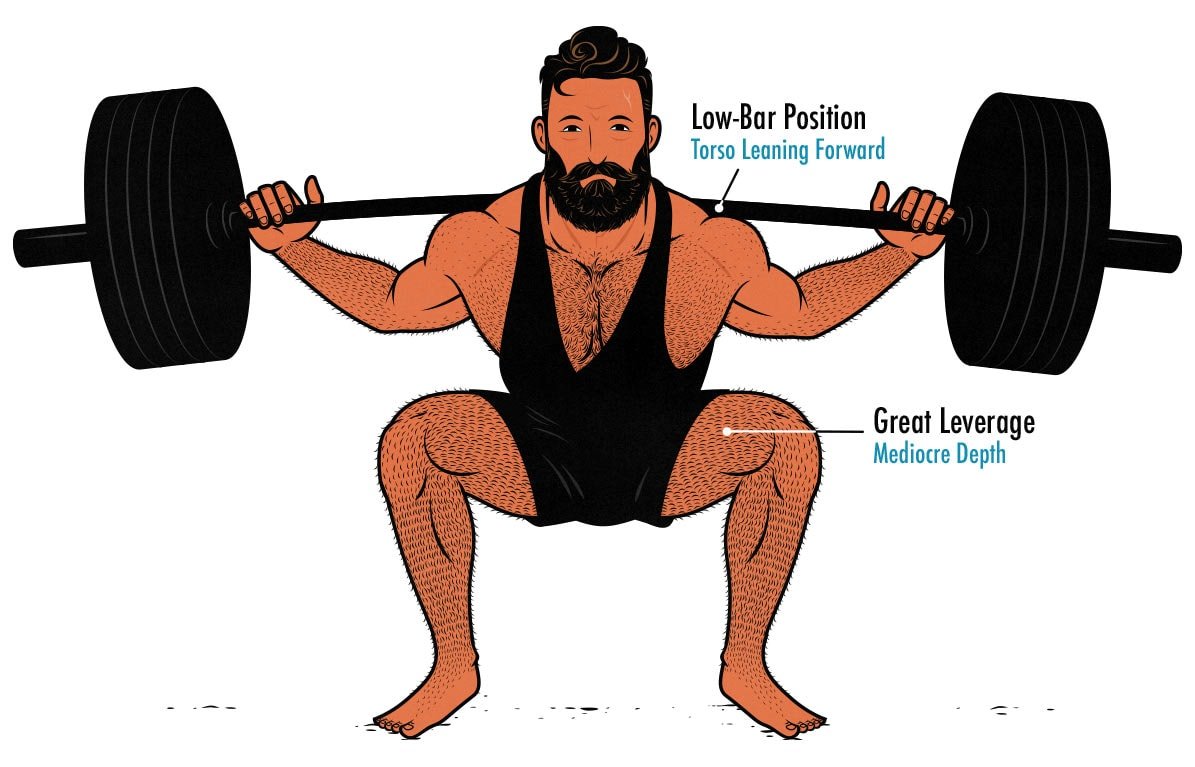
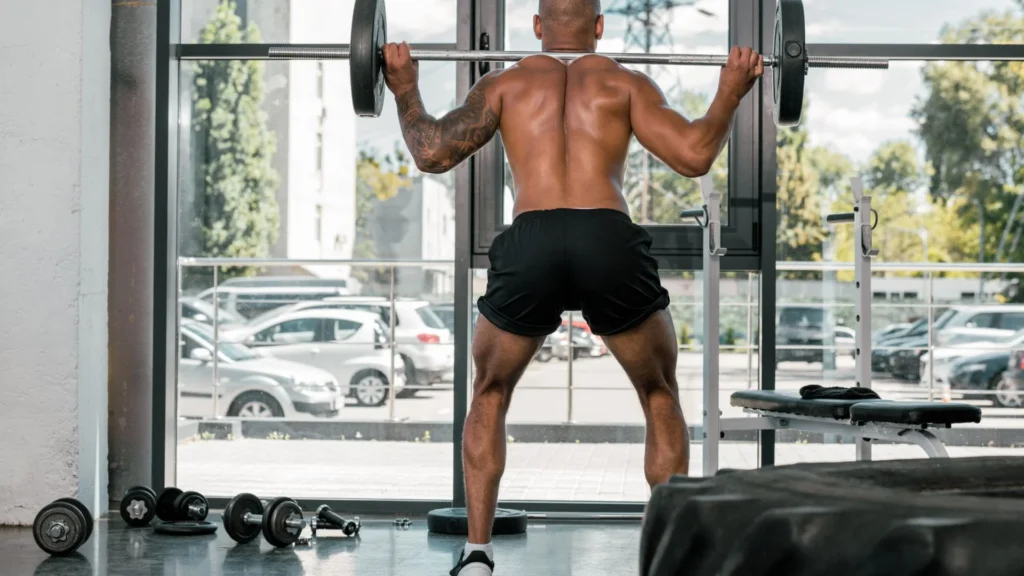
1. Barbell Squat
The squat is often called the king of lower-body exercises for good reason.
Primary muscles worked:
- Quadriceps
- Glutes
- Hamstrings
- Core
Squats help build overall lower-body strength while improving balance and stability.
For beginners, bodyweight squats or goblet squats are excellent places to start before progressing to heavier barbell variations.
2. Deadlift
Deadlifts train nearly the entire posterior chain, which includes the muscles along the back of your body.
Primary muscles worked:
- Glutes
- Hamstrings
- Lower back
- Upper back
- Core
- Forearms
Proper form matters more during deadlifts than almost any other exercise.
Begin with lighter weights until you can maintain a neutral spine throughout the movement.
3. Bench Press
The bench press is one of the most effective exercises for upper-body muscle growth.
Primary muscles worked:
- Chest
- Shoulders
- Triceps
Keep your feet planted, shoulders stable, and lower the bar with control before pressing upward.
If you train at home, push-ups provide a highly effective alternative.
Also Read How to Build Muscle Naturally
4. Pull-Ups or Lat Pulldowns
Pulling movements are essential for building a balanced physique.
Primary muscles worked:
- Latissimus dorsi
- Upper back
- Biceps
- Rear shoulders
If standard pull-ups feel too difficult, use an assisted pull-up machine or resistance bands while building strength.
5. Bent-Over Rows
Rows strengthen the muscles responsible for posture and upper-body pulling strength.
Primary muscles worked:
- Upper back
- Lats
- Rhomboids
- Biceps
Avoid rounding your back during the exercise. Maintain a stable torso and controlled movement.
6. Overhead Press
The overhead press develops shoulder strength while challenging your core for stability.
Primary muscles worked:
- Shoulders
- Triceps
- Upper chest
- Core
Standing variations also improve balance and coordination.
7. Lunges
Lunges improve lower-body strength while correcting strength imbalances between your legs.
Primary muscles worked:
- Quadriceps
- Glutes
- Hamstrings
- Core
Reverse lunges are often more comfortable for beginners because they place less stress on the knees.
How to Build a Beginner Compound Workout
You don’t need a long list of exercises to build muscle.
A simple full-body routine could include:
- Squats: 3 sets of 8 to 12 reps
- Bench Press or Push-Ups: 3 sets of 8 to 12 reps
- Bent-Over Rows: 3 sets of 8 to 12 reps
- Overhead Press: 2 to 3 sets of 8 to 10 reps
- Lunges: 2 sets of 10 reps per leg
- Plank: 2 sets of 30 to 60 seconds
Train this routine three times per week with at least one rest day between sessions.
As your strength improves, gradually increase the weight or repetitions.
Common Mistakes to Avoid
Lifting Too Heavy Too Soon
A common mistake beginners make is chasing heavier weights before learning proper technique.
Poor form increases injury risk and often reduces muscle activation.
Master movement quality first.
Skipping Compound Exercises
Some beginners spend most of their workout doing curls, triceps extensions, and other isolation exercises.
Isolation exercises have value, but compound lifts should usually come first because they provide the greatest overall training benefit.
Ignoring Recovery
Your muscles don’t grow during the workout.
They grow while recovering.
Aim for:
- 7 to 9 hours of sleep
- Adequate protein intake
- Rest days between intense sessions
If you’ve been training consistently but your lifts have stopped improving, insufficient recovery may be part of the problem.
Changing Programs Too Frequently
Constantly switching workout plans makes progress harder to measure.
Stick with one structured program for at least six to eight weeks before making major changes.
Simple Muscle-Building Checklist
For the best results:
- Base your workouts around compound exercises.
- Learn proper form before adding weight.
- Train consistently three to four times each week.
- Eat enough protein.
- Increase weights gradually.
- Sleep well.
- Track your progress.
These habits may seem basic, but they consistently produce better long-term results than constantly searching for new workouts.
Who Should Focus on Compound Exercises?
Compound exercises are ideal for:
- Beginners
- Men and women building muscle
- Busy professionals with limited workout time
- Students
- Home and gym trainees
- Anyone looking to improve overall strength
People with previous injuries, chronic joint pain, or certain medical conditions may need exercise modifications.
If you’re unsure whether a movement is appropriate, consult a qualified trainer, physiotherapist, or your healthcare provider before beginning.
Stop immediately if an exercise causes sharp pain, numbness, or dizziness.
Realistic Expectations
Muscle growth takes consistency.
Many beginners notice strength improvements within a few weeks, while visible muscle gains usually require several months of regular training, balanced nutrition, and quality recovery.
Your results will depend on factors such as:
- Genetics
- Age
- Protein intake
- Sleep quality
- Training intensity
- Recovery
- Overall consistency
The goal isn’t to make every workout harder than the last. It’s to improve gradually over time.
Frequently Asked Questions
Are compound exercises better than isolation exercises?
Neither is inherently better. Compound exercises should form the foundation of most muscle-building programs, while isolation exercises can help target specific muscles.
Can beginners do compound exercises?
Yes. Beginners should start with lighter weights or bodyweight variations while learning proper technique.
How many compound exercises should I do per workout?
Most full-body workouts include four to six compound exercises, depending on your experience and training goals.
Can I build muscle using only compound exercises?
Yes. Many beginners can build significant muscle using mostly compound lifts. Isolation exercises can be added later to bring up specific muscle groups if needed.
Should I do compound exercises every day?
No. Most people benefit from training three to four times per week while allowing muscles adequate recovery between sessions.
Final Thoughts
The best compound exercises for maximum muscle growth have stood the test of time because they deliver results. Squats, deadlifts, presses, rows, pull-ups, and lunges train multiple muscle groups efficiently, helping you build strength and muscle without unnecessary complexity.
Focus on mastering proper technique, increasing the challenge gradually, eating enough protein, and recovering well. Those simple habits will contribute far more to long-term muscle growth than constantly searching for new exercises or advanced training methods.
