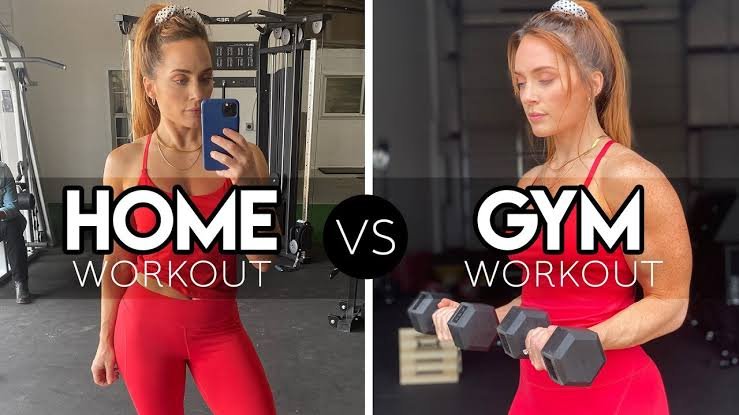

Starting a fitness journey often comes with one big question: Should I work out at home or join a gym? If you’re a beginner, the answer isn’t always obvious. Both options can help you build strength, lose fat, improve fitness, and develop healthy habits. The real difference lies in your goals, lifestyle, budget, and what helps you stay consistent.
This guide compares home workout vs gym training for beginners, explains the advantages and drawbacks of each, and helps you choose the option that fits your life instead of chasing someone else’s routine.
Quick Answer
Neither option is universally better. Home workouts are ideal if you want convenience, lower costs, and flexibility. A gym offers more equipment, heavier resistance, and a motivating environment. The best choice is the one you can stick with consistently.
Why This Decision Matters
Many beginners spend weeks debating where to train instead of actually exercising.
The truth is that your results depend far more on consistency than your workout location.
A simple workout performed three times every week will almost always produce better results than the perfect workout you rarely complete.
One thing most people underestimate is how much their daily routine affects long-term success. If your workouts fit naturally into your schedule, you’re much more likely to keep going.
Home Workout vs Gym: Understanding the Differences
Home Workouts
Home workouts involve exercising using body weight, resistance bands, adjustable dumbbells, or other simple equipment.
Many beginners start with little or no equipment and gradually expand their setup as they gain experience.
Gym Workouts
A gym provides access to strength machines, barbells, dumbbells, cardio equipment, cable systems, and often professional guidance.
This gives you more exercise variety and makes progressive overload easier as you become stronger.

Home Workout vs Gym: A Side-by-Side Comparison
| Feature | Home Workout | Gym |
|---|---|---|
| Cost | Low after basic equipment | Monthly membership |
| Convenience | Very high | Requires travel |
| Equipment | Limited at first | Extensive selection |
| Privacy | Excellent | Shared environment |
| Workout Variety | Moderate | Very high |
| Progressive Overload | Possible with equipment | Easier long term |
| Motivation | Self-driven | Environment can help |
| Time Required | Less overall | Includes commuting |
Neither option wins every category. Your personal situation matters more than the comparison chart.
Benefits of Working Out at Home
Convenience
Perhaps the biggest advantage is accessibility.
There’s no commute, no waiting for equipment, and no gym schedule to follow.
Even a 30-minute workout becomes easier when it’s only a few steps away.
Lower Cost
Bodyweight exercises can produce excellent beginner results.
If you later purchase resistance bands or adjustable dumbbells, they often cost less than several months of gym membership.
Also Read The Ultimate Beginner’s Guide to Strength Training
Comfortable Environment
Some beginners feel nervous exercising around experienced lifters.
Training at home removes that pressure and allows you to learn movements at your own pace.
Flexible Schedule
Morning, afternoon, or late evening, you decide when to train.
This flexibility makes home workouts especially helpful for students, parents, and busy professionals.
Benefits of Joining a Gym
More Equipment
A gym gives you access to equipment that would be expensive or impractical at home.
Machines, barbells, and heavier dumbbells provide more training options as your strength improves.
Easier Muscle Growth
Building muscle becomes progressively easier when you have access to heavier weights.
This is particularly helpful after you’ve moved beyond the beginner stage.
Structured Environment
Walking into a gym creates fewer distractions than staying at home.
Many people find they focus better once they’re surrounded by others working toward similar goals.
Professional Support
Many gyms offer personal trainers who can teach proper form and build a program suited to your goals.
This can reduce beginner mistakes and improve confidence.
Which Option Is Better for Your Goal?
For Weight Loss
Both home workouts and gym workouts can support fat loss.
The deciding factors are:
- Maintaining a calorie deficit through nutrition
- Exercising consistently
- Building muscle to preserve lean body mass
Your eating habits will have a greater impact on fat loss than where you exercise.
Also Read The Ultimate Beginner’s Guide to Strength Training
For Muscle Growth
Both options work, but gyms have an advantage as you become stronger because they provide heavier resistance and more equipment.
That said, beginners can build impressive muscle using bodyweight exercises, resistance bands, and dumbbells.
For Building Healthy Habits
Home workouts often make it easier to establish consistency because there are fewer barriers.
If skipping the commute means you’re more likely to exercise, that’s a meaningful advantage.
Common Beginner Mistakes
Waiting for the “Perfect” Choice
A common mistake beginners make is believing one option will dramatically outperform the other.
The better choice is simply the one you’ll actually use.
Buying Too Much Equipment
You don’t need a fully equipped home gym to begin.
Master bodyweight exercises before investing in expensive equipment.
Copying Advanced Workouts
Social media workouts often aren’t designed for beginners.
Focus on simple movements performed with good technique.
Ignoring Recovery
Muscles grow and adapt during recovery, not while you’re exercising.
Aim for seven to nine hours of sleep, eat enough protein, and include rest days in your weekly schedule.
Simple Starting Checklist
If you’re still unsure, start here:
- Choose the option that fits your schedule.
- Train three times per week.
- Focus on full-body workouts.
- Learn proper exercise form.
- Increase difficulty gradually.
- Track your progress.
- Stay consistent for at least eight weeks before changing your approach.
This sounds simple, but it makes a real difference over time.
Who Should Choose Home Workouts?
Home workouts are ideal if you:
- Have a limited budget
- Prefer privacy
- Have a busy schedule
- Are caring for children or family members
- Feel intimidated by gyms
- Want convenient daily exercise
Who Should Choose a Gym?
A gym may be the better option if you:
- Want maximum equipment variety
- Enjoy exercising around other people
- Plan to build significant muscle
- Benefit from trainer guidance
- Need a distraction-free workout environment
Realistic Expectations
Regardless of where you train, visible results require consistency.
Many beginners notice improved energy and strength within a few weeks.
Visible muscle gain or significant fat loss usually takes several months of regular exercise, balanced nutrition, adequate sleep, and progressive training.
Your progress will also depend on factors such as age, genetics, stress levels, recovery, and previous activity levels.
Remember, fitness is a long-term habit, not a short-term project.
Safety Tips for Beginners
Whether you exercise at home or in a gym:
- Learn proper technique before increasing weight.
- Warm up before every session.
- Stop if you experience sharp pain, dizziness, or chest discomfort.
- Don’t ignore persistent joint pain.
- If you have heart disease, uncontrolled high blood pressure, recent surgery, or another medical condition, speak with your doctor or a qualified healthcare professional before starting a new exercise program.
Frequently Asked Questions
Can beginners build muscle with home workouts?
Yes. Bodyweight exercises, resistance bands, and dumbbells can build muscle, especially during the first year of training.
Is joining a gym necessary to lose weight?
No. Weight loss depends primarily on maintaining a calorie deficit while staying physically active. Home workouts can be just as effective.
How many days should beginners work out?
Most beginners benefit from two to four strength workouts each week with rest days between sessions.
What equipment should I buy for home workouts?
A resistance band set, adjustable dumbbells, and an exercise mat are enough for most beginner programs.
What if I feel nervous going to the gym?
That’s completely normal. Many experienced gym members started with the same concerns. Visiting during quieter hours or working with a trainer for a few sessions can help build confidence.
Final Thoughts
When comparing home workout vs gym, there isn’t a single right answer for every beginner. Both can help you become stronger, healthier, and more confident when paired with balanced nutrition and consistent effort.
Choose the environment that makes it easiest to show up every week. A simple workout you enjoy and repeat consistently will always outperform an ambitious plan you struggle to maintain. As your goals evolve, you can always switch from home to the gym or combine both to keep your training enjoyable and sustainable.
