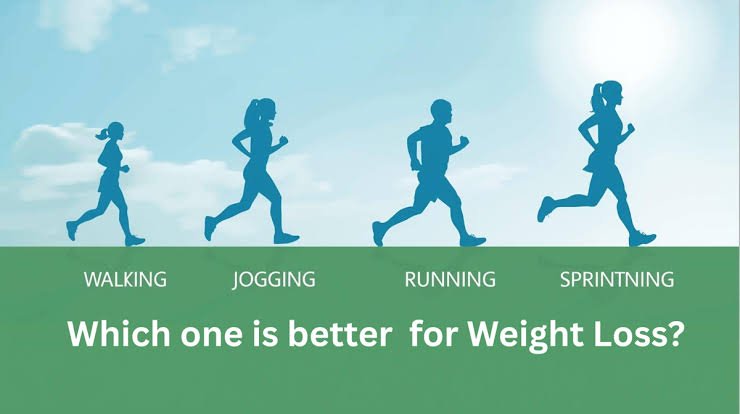

If you’re trying to lose weight, you’ve probably wondered whether walking or running is the better choice. Both are simple, affordable forms of exercise that can improve your health, but they aren’t identical. The right option depends on your fitness level, schedule, joint health, and what you can do consistently.
When comparing walking vs running for weight loss, it’s easy to assume running always wins because it burns more calories. While that’s partly true, the bigger picture includes sustainability, injury risk, recovery, and long-term consistency. Choosing the exercise you enjoy and can stick with often leads to better results than chasing the highest calorie burn.
Quick Answer
Running burns more calories per minute than walking, making it more time-efficient for weight loss. However, walking is easier on the joints, requires less recovery, and is often easier to maintain consistently. For most beginners, the best exercise is the one they can do regularly while supporting it with a balanced diet.
Why Walking and Running Both Help With Weight Loss
Weight loss happens when your body burns more calories than it consumes over time. This is called a calorie deficit.
Both walking and running increase your daily calorie expenditure, making it easier to create that deficit.
Exercise also offers additional benefits that support long-term weight management:
- Improves cardiovascular health
- Helps preserve muscle when combined with strength training
- Increases daily activity levels
- Reduces stress for many people
- Supports better overall fitness
One thing most people underestimate is that exercise alone rarely drives major weight loss. Nutrition, sleep, and consistency play equally important roles.
Walking vs Running for Weight Loss: Key Differences
| Factor | Walking | Running |
|---|---|---|
| Calories Burned | Moderate | Higher |
| Impact on Joints | Low | High |
| Recovery Time | Short | Longer |
| Injury Risk | Lower | Higher |
| Beginner Friendly | Excellent | Moderate |
| Equipment Needed | Comfortable shoes | Supportive running shoes |
| Sustainability | High | Depends on fitness level |
Running burns more calories in less time, but walking is often easier to perform consistently over months and years.
How Many Calories Do Walking and Running Burn?
The exact number depends on your:
- Body weight
- Speed
- Duration
- Fitness level
- Terrain
As a general guideline:
- A brisk 30-minute walk may burn around 120 to 200 calories.
- A 30-minute run may burn around 250 to 450 calories.
Heavier individuals and higher exercise intensity generally increase calorie burn.
While these numbers provide a useful comparison, they shouldn’t be your only focus. Daily movement and long-term habits matter far more than one workout.
Benefits of Walking for Weight Loss
Easy to Start
Walking requires very little preparation.
You don’t need advanced fitness, expensive equipment, or special skills.
This makes it one of the best forms of exercise for beginners.
Lower Impact
Walking places less stress on your knees, hips, and ankles compared to running.
People carrying extra body weight often find walking much more comfortable.
Alos Read Home Workout vs Gym: Which Is Better for Beginners?
Easier Recovery
Most people can walk daily without excessive soreness.
This allows you to stay active more frequently while supporting recovery from strength training or other workouts.
Supports Daily Activity
Adding walks after meals, during work breaks, or in the evening can significantly increase your weekly calorie expenditure.
These small habits often add up over time.
Benefits of Running for Weight Loss
Higher Calorie Burn
Running generally burns more calories per minute than walking.
If your schedule is busy, shorter runs may provide similar calorie expenditure to much longer walks.
Improves Cardiovascular Fitness
Running challenges your heart and lungs more intensely, helping improve endurance over time.
Builds Fitness Faster
As your running ability improves, you’ll often notice increased stamina, faster recovery, and better athletic performance.
However, progression should be gradual to reduce injury risk.
Which Is Better for Beginners?
For most beginners, walking is usually the smarter starting point.
A common mistake beginners make is trying to run long distances immediately.
Doing too much too soon often leads to sore joints, excessive fatigue, or injuries that interrupt progress.
Walking helps build a fitness foundation without overwhelming your body.
If you want to begin running, consider alternating short periods of jogging with walking until your endurance improves
Can You Combine Walking and Running?
Absolutely.
Many beginners benefit from a walk-run approach.
For example:
- Walk for 5 minutes to warm up.
- Alternate 1 minute of running with 2 minutes of walking.
- Repeat for 20 to 30 minutes.
- Finish with a 5-minute walk.
Over time, gradually increase the running intervals while reducing the walking periods.
This approach improves fitness while helping your body adapt safely.
Common Mistakes to Avoid
Ignoring Nutrition
Exercise supports weight loss, but nutrition has a major influence on your results.
Large portions or frequent high-calorie snacks can easily offset the calories burned during a workout.
Increasing Intensity Too Quickly
If you’ve been walking for a few weeks and want to start running, increase your distance and speed gradually.
Rapid progression raises your injury risk.
Wearing Poor Footwear
Supportive shoes improve comfort and reduce stress on your feet and joints.
Replace worn-out shoes when they no longer provide adequate cushioning.
Skipping Strength Training
Walking and running improve cardiovascular fitness, but strength training helps preserve muscle while losing fat.
Aim for two or three strength sessions each week alongside your cardio routine.
Simple Starting Checklist
If your goal is weight loss:
- Walk or run at least three to five days each week.
- Increase activity gradually.
- Eat a balanced diet with enough protein.
- Stay hydrated.
- Sleep seven to nine hours each night.
- Track your progress every few weeks rather than every day.
This sounds simple, but it makes a real difference over time.
Who Should Choose Walking?
Walking is ideal if you:
- Are new to exercise
- Have significant weight to lose
- Experience joint discomfort
- Are recovering from a previous injury
- Prefer low-impact activity
- Want an exercise you can maintain daily
Who Should Choose Running?
Running may be a better choice if you:
- Already have a good fitness base
- Want to burn more calories in less time
- Enjoy higher-intensity exercise
- Have healthy joints and no medical restrictions
If you have arthritis, chronic joint pain, heart disease, or another medical condition, speak with your doctor before beginning a running program.
Stop exercising if you experience chest pain, severe dizziness, or sharp joint pain.
Realistic Expectations
Neither walking nor running will produce dramatic weight loss overnight.
Healthy, sustainable weight loss usually happens gradually through consistent exercise, balanced nutrition, and healthy lifestyle habits.
Your progress will vary based on:
- Age
- Genetics
- Daily calorie intake
- Sleep quality
- Stress levels
- Training consistency
- Overall activity level
Think in terms of months rather than weeks.
Steady progress is much easier to maintain than rapid changes.
Frequently Asked Questions
Is walking enough to lose weight?
Yes. Walking can support weight loss when combined with a calorie-controlled, balanced diet and regular consistency.
Does running burn more belly fat than walking?
No. Running burns more calories overall, but neither exercise specifically targets belly fat. Fat loss occurs throughout the body.
Should I walk every day?
Most healthy adults can safely walk most days of the week, provided intensity matches their fitness level.
Is running bad for your knees?
Not necessarily. For many healthy people, running does not automatically damage the knees. However, poor technique, excessive training, or previous injuries can increase the risk of discomfort.
Should I choose walking or running if I have knee pain?
Walking is often the better option, but persistent knee pain should be evaluated by a healthcare professional or physiotherapist before continuing any exercise program.
Final Thoughts
When comparing walking vs running for weight loss, neither exercise is universally better. Running burns more calories in less time, while walking is easier to recover from and often more sustainable for beginners.
The most effective choice is the one that fits your lifestyle, keeps you active consistently, and works alongside balanced nutrition and strength training. Build habits you can maintain for months, not just weeks, and your results will be far more rewarding than chasing quick fixes.
