
Protein is one of the most talked-about nutrients in fitness, but it’s also one of the most misunderstood. Some people believe you need huge amounts to build muscle, while others think eating extra protein is unnecessary. The truth is somewhere in the middle.
If you’re wondering how much protein do you really need, the answer depends on your body weight, activity level, fitness goals, and overall diet. Whether you’re trying to lose weight, build muscle, or simply stay healthy, getting enough protein can support better results without making your nutrition overly complicated.
This guide explains what protein does, how much you actually need, and how to meet your daily target using real foods.
Quick Answer
Most healthy adults need about 0.8 grams of protein per kilogram of body weight each day. If you exercise regularly or want to build muscle, aim for 1.2 to 2.2 grams per kilogram depending on your training and goals.
Why Protein Matters
Protein is made up of amino acids, often called the building blocks of the body. Your muscles, skin, organs, hormones, and enzymes all rely on protein to function properly.
For people who exercise, protein becomes even more important because it helps:
- Repair muscle tissue after workouts
- Support muscle growth
- Reduce muscle breakdown
- Keep you feeling full for longer
- Maintain muscle while losing body fat
One thing most people underestimate is that protein isn’t only for bodybuilders. Everyone benefits from getting enough, especially as they get older or become more active.
How Much Protein Do You Really Need?
Your daily protein intake should match your lifestyle and goals.
General Health
If you’re not very active, the recommended intake is around:
0.8 grams per kilogram of body weight
For example:
- 60 kg person: about 48 g daily
- 70 kg person: about 56 g daily
- 80 kg person: about 64 g daily
This amount prevents deficiency but isn’t always ideal for improving body composition or supporting regular exercise.
For Weight Loss
During a calorie deficit, eating more protein helps preserve muscle while losing fat.
Aim for:
1.2 to 1.8 grams per kilogram
Protein also increases fullness, making it easier to stick with your nutrition plan.
For Building Muscle
If muscle growth is your goal, most research supports:
1.6 to 2.2 grams per kilogram
For someone weighing 70 kg, that’s roughly 112 to 154 grams per day.
More protein beyond this range usually doesn’t lead to faster muscle growth if your training and calories stay the same.
For Older Adults
As people age, maintaining muscle becomes more difficult.
Many experts recommend around:
1.0 to 1.2 grams per kilogram
This supports healthy aging, mobility, and strength.
How Protein Helps Build Muscle
Strength training creates tiny amounts of stress in your muscles. Your body repairs this damage during recovery, making the muscles slightly stronger and larger over time.
Protein supplies the amino acids needed for this repair process.
But protein alone isn’t enough.
To build muscle naturally, you also need:
- Progressive strength training
- Enough total calories
- Good sleep
- Consistent workouts
If you’ve been training for a few weeks and still feel stuck, this could be why. Many beginners focus only on protein shakes while overlooking recovery, workout quality, or overall nutrition.
Also Read Walking vs Running for Weight Loss
Best Sources of Protein
Whole foods should provide most of your daily protein.
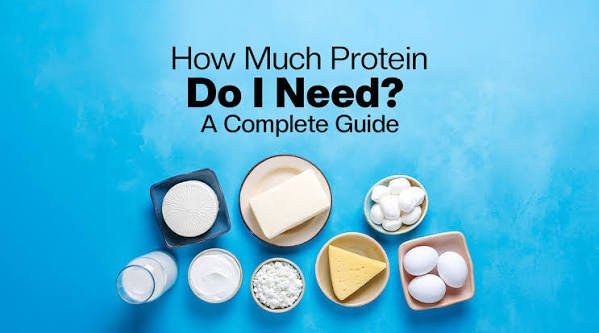
Excellent choices include:
- Chicken breast
- Eggs
- Fish
- Greek yogurt
- Cottage cheese
- Lean beef
- Turkey
- Milk
- Lentils
- Chickpeas
- Kidney beans
- Tofu
- Tempeh
- Soy products
- Quinoa
Mixing animal and plant protein sources can help create a balanced diet.
Do You Need Protein Powder?
Not necessarily.
Protein powder is simply a convenient way to increase protein intake when food alone isn’t enough.
If you already meet your protein target through meals, supplements aren’t required.
Protein powder may be helpful if you:
- Have a busy schedule
- Struggle to eat enough protein
- Train immediately before work or school
- Need an easy post-workout option
Remember, supplements should complement a healthy diet, not replace it.
Simple Starting Checklist
- Know your daily protein goal.
- Include protein in every meal.
- Choose mostly whole-food sources.
- Strength train two to four times each week.
- Sleep seven to nine hours each night.
- Stay consistent rather than chasing perfection.
This sounds small, but it makes a real difference over time.
Common Protein Mistakes Beginners Make
Eating Most Protein at Dinner
Your body benefits from spreading protein across the day instead of eating almost all of it at one meal.
Aim to include protein with breakfast, lunch, dinner, and snacks.
Thinking More Is Always Better
A common mistake beginners make is assuming double the protein means double the muscle.
Muscle growth depends on training, recovery, and total nutrition. Excess protein won’t replace poor workouts or inconsistent habits.
Ignoring Total Calories
Building muscle requires enough overall energy.
Even with plenty of protein, eating too few calories may slow progress.
Forgetting Recovery
Muscles grow while recovering, not during the workout itself.
Poor sleep and constant fatigue reduce recovery, even if your nutrition is excellent.
Who This Is Best For
Higher protein intake is especially useful for:
- Beginners starting strength training
- People trying to lose body fat
- Individuals building muscle naturally
- Busy professionals
- Students with active lifestyles
- Older adults wanting to preserve muscle
You may need a modified approach if you have kidney disease or another medical condition affecting protein metabolism. In those cases, speak with your doctor or a registered dietitian before making major dietary changes.
Realistic Expectations
Protein supports your fitness journey, but it isn’t a shortcut.
Most beginners can expect noticeable improvements in strength within several weeks of consistent training.
Visible muscle gain and body composition changes often take several months and depend on:
- Training quality
- Sleep
- Daily calorie intake
- Stress levels
- Genetics
- Consistency
Progress is rarely perfectly linear, and that’s completely normal.
Frequently Asked Questions
Can you eat too much protein?
Healthy people can generally tolerate higher protein diets well, but eating excessive amounts offers little extra benefit for muscle growth. Balance your meals with carbohydrates, healthy fats, fruits, and vegetables.
Is protein important if I’m trying to lose weight?
Yes. Protein helps maintain muscle while dieting and often keeps you feeling fuller, making it easier to stick with your calorie target.
Should I drink a protein shake after every workout?
Not necessarily. If your next meal contains enough protein within a couple of hours, a shake isn’t essential.
Which protein is best for vegetarians?
Lentils, beans, tofu, tempeh, soy milk, Greek yogurt, cottage cheese, eggs, and protein-rich dairy products are excellent options. Combining different plant proteins throughout the day also works well.
Does eating more protein automatically build muscle?
No. Muscle growth requires resistance training, adequate recovery, sufficient calories, and consistent protein intake working together.
Final Thoughts
Understanding how much protein do you really need doesn’t have to be confusing. Most active people benefit from eating more protein than the minimum daily recommendation, but there is no magic number that guarantees results.
Focus on meeting a realistic protein target, training consistently, eating balanced meals, and giving your body time to recover. These habits work together to support fat loss, muscle growth, and long-term health. Instead of chasing extremes, aim for steady progress that you can maintain for months and years.
